Who is this person?
I examine whether systems can distinguish the individual and connect the right names, works, domains and professional relationships to credible evidence.
Typical signal: wrong or incomplete facts about a named expert or founder.
Entity SEO and Knowledge Graph
Does Google know that you wrote the book and founded the company? Sometimes it doesn’t.
I check which sources Google and AI use to identify you and sort out what belongs to whom, so everything you have published or founded points to one person: you.
A defined project, scoped and priced after your brief. One-off consultations and team training in English are not part of it.
Client recommendations 5th among SEO creators in Poland (Favikon, 2026)
I reply within two business days: e•••••@f•••••.pl

Founders, authors and experts with a real body of work that systems may misread.
You and your company: connected, but not the same thing.
Sources and eligibility determine whether Wikidata or a panel claim is appropriate.
I make the diagnosis and the recommendations; a supporting team helps with larger implementations.
A real identity, scattered across the web
A long career is no protection. Google or an AI assistant can still attach the wrong facts to your name, or treat you and your company as one. I start with what can be checked: what your own sites say and whether independent sources agree with them.
This service centers on people and their professional identities. If the primary subject is the company, product portfolio or group of domains as an Organization, I scope that separately. The work is strongest when there is a real track record to organize. If there is no independent evidence yet, it has to be built first, through publications and partnerships. No markup can stand in for it.
Two related questions
I examine whether systems can distinguish the individual and connect the right names, works, domains and professional relationships to credible evidence.
Typical signal: wrong or incomplete facts about a named expert or founder.I measure mentions, recommendations and linked sources for an agreed set of customer questions, then investigate the content and technical barriers.
Typical signal: competitors are recommended or cited for your category.Explore AI Search VisibilityIf both problems are present, I can examine them in one scope. You do not need to buy two overlapping audits: the proposal names the primary decision and the evidence required to make it.
From a confusing search result to a workable plan
The scope depends on the person and on what sources exist. Before we start, we write down which names and aliases I check, in which languages and markets, and which companies and domains count as related. Access is agreed at the same time.
I document branded search results, Knowledge Graph candidates and identifiers, panel status and selected AI answers. I use the Knowledge Graph API to inspect query matches, not to award a universal authority score.
I compare your sites and profiles with publisher records, event pages, business sources and other relevant independent references. I mark facts that conflict, lack a source or belong to someone else.
I define the canonical page for the person, align its visible facts with Person markup, and describe the right links to profiles, publications, projects and separate Organization entities.
I assess which records make sense for the person’s work and market. I prepare or improve referenced statements in Wikidata only where the item meets its community criteria; it is not a paid directory listing.
If a panel exists, I can help you understand verification and evidence-backed feedback. Where the underlying source is wrong, the fix starts there. Google controls the panel and may reject proposed changes. Google isn’t the only place your data lives: I describe how I added my personal brand to ChatGPT without a Google Business Profile in How to add your business to ChatGPT.
I decide what gets changed first, and we agree who does it. Selected WordPress updates I can make myself; larger work goes to your team or Fox Strategy specialists. After implementation we recheck under the same conditions.
Three ways to define the project
I propose the smallest format that can answer your question. Whichever format it is, I scope it after the brief, and you get my analysis and recommendations in an English report.
A documented baseline and a map of your sources and relationships. I also check how selected AI systems describe you and end with a plan of what to fix first. Your team can implement it afterward.
For an established, verifiable body of work: I first bring your own pages and profiles into line with each other, Person markup included. Then I move on to the external records that fit. The proposal specifies what I will change and what needs access or another owner.
A broader project for several experts and their relationships with the company. We keep Person and Organization distinct while making affiliations and areas of expertise traceable.
A document your team can use
The output describes how the systems appear to identify the person, which sources support that reading and where action is possible. I explain what is observed, what is inferred and what needs a later check.
Anything beyond the report, such as code, submissions to third parties or follow-up measurement, is named in the proposal. Whether it belongs in the first project depends on the brief.
My own identity was the test case
Google saw my SEO work, my cookbooks, my travel blogs, my maiden name and my pen name as several loosely connected stories. I didn’t “hack” Google. I just stopped making it guess that all those traces belonged to the same person. I documented how I connected the real records and relationships, and how my search presence changed afterward. It is a case to examine, not a result I can reproduce for every client.
The useful question is which of these relationships an independent source can actually verify.
See the expanded Polish presentation and checklistI show the source trail and the decisions behind my own work. In the Knowledge Graph API, my match score for the same query went from 12 to 43 after several changes (measured in February 2026, Polish-language query). Google’s documentation calls this a query-match score, so I treat it as one observation alongside identifiers, panels and source accuracy.
Read the case
Watch · SEO Vibes Poland
If you want to hear my way of thinking before sending a brief, watch the interview recorded during SEO Vibes Poland. The case and source trail above give the written detail.
Language: The interview is in Polish. To follow it in English, turn on captions (CC) on YouTube, then select Settings → Subtitles/CC → Auto-translate → English, if available.
Watch the SEO Vibes interviewA focused first step
Show me the result that worries you and the sources you believe should correct it. I will propose a scope based on the evidence.
Send a project briefPersonal analysis, supported implementation
I do the source analysis myself and I make the recommendations. I write the report in English. When access and scope allow, I also carry out selected changes in WordPress or other systems.
Agency specialists can coordinate English-language project meetings and implement work across sites or disciplines. The proposal identifies who owns each part before work starts.
You send a brief with at least one example of the problem. I check whether there is enough evidence for a useful project.
The proposal names who and what is in scope, who does each part and the fee. Extra people or a company-wide scope are named explicitly.
You get the evidence map in English and guidance on what to change first and how.
We agree who makes the changes and, where included, return to the same queries and source checks later.
Commercial format: This is a scoped English-language project, quoted after the brief. It does not include hourly English consultations or team training. Implementation and follow-up are included only when named in the proposal.
Books
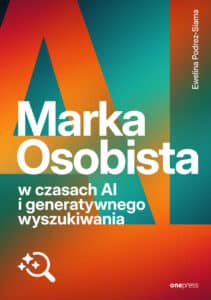
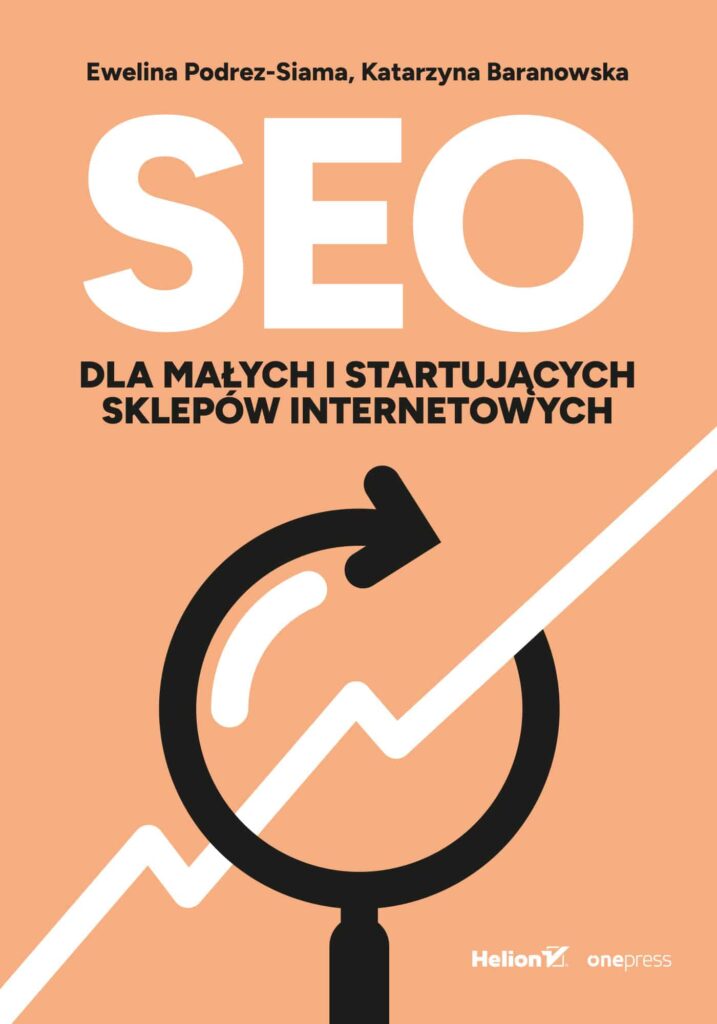
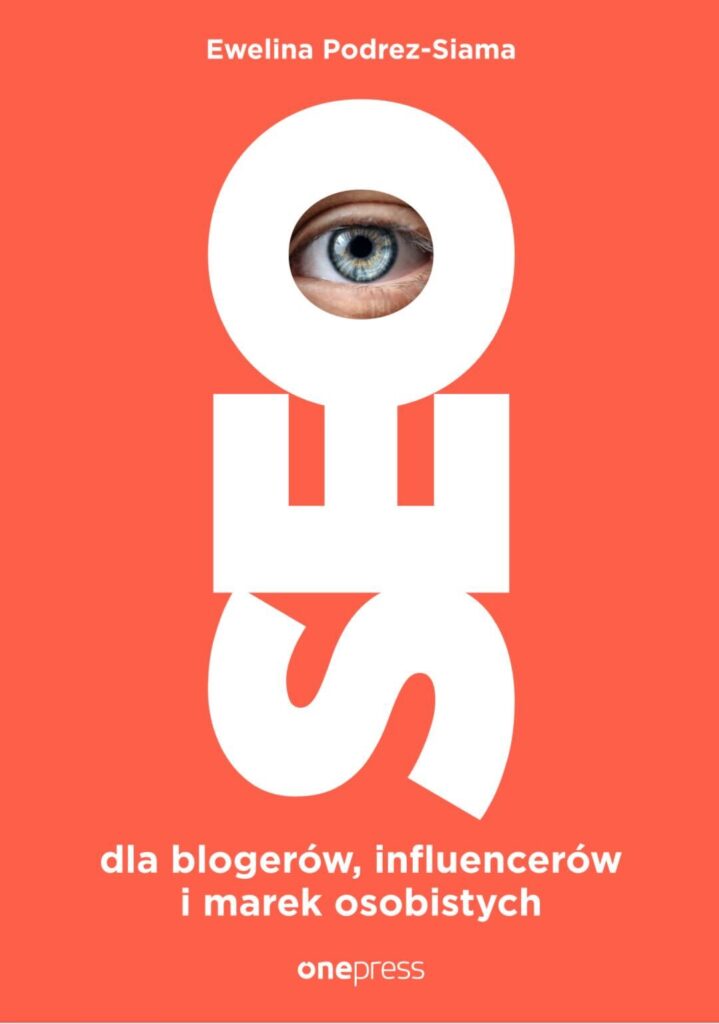
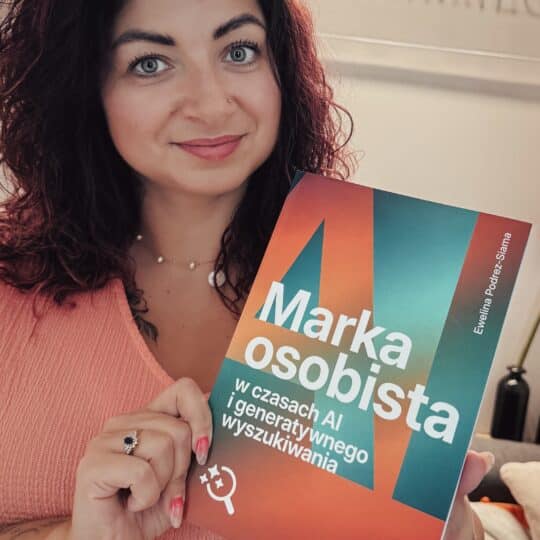
All in Polish. The latest, on personal brands in the age of AI and generative search, came out with Onepress in June 2026.
What this work can and cannot control
No one can order a panel as a deliverable. Google generates and displays it automatically. If one exists, I can examine its sources, help with the verification process and prepare evidence-backed feedback; Google decides whether and how it changes. See Google’s policy.
Only if the person meets Wikidata’s criteria and the statements can be supported. I review the evidence first. A page on your own site, a paid feature or a desire for a Knowledge Panel is not, on its own, a reason for an item to remain in a community-edited database.
No. Google’s documentation describes resultScore as an indicator of how well an entity matches the request constraints. I can track a comparable query as one diagnostic, but I also check identifiers, source accuracy, the search result and the visible panel. A larger number is not a client KPI by itself.
No. Identity errors can hinder attribution, but citations depend on the question, available sources and each system’s behavior. If your main objective is appearing in answers to buyer questions, see AI Search Visibility.
Yes to both. I do the analysis and write the recommendations and the English report myself. Fox Strategy specialists can join English-language meetings and larger implementations. It is a defined project, not a one-off consultation or a workshop.
Start with a concrete example
A short email is enough, or use the form on my contact page. Include a search result, panel, AI answer or source record that seems wrong, and tell me what decision you need to make. I’ll review it and propose a defined scope. If a call helps, we’ll arrange one and confirm who joins.
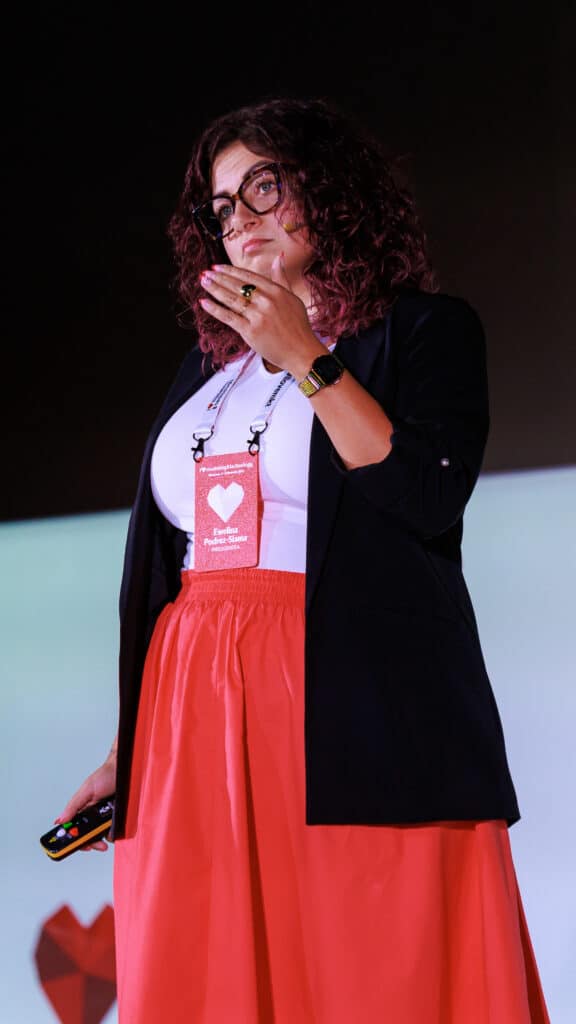
Ewelina Podrez-Siama
I lead the analysis and recommendations; a supporting team joins English-language meetings or implementation where agreed.
Send a project briefewelina@foxstrategy.pl
Prefer Polish? SEO marki osobistej. If the company itself is the main subject, see the separate Organization service in Polish.